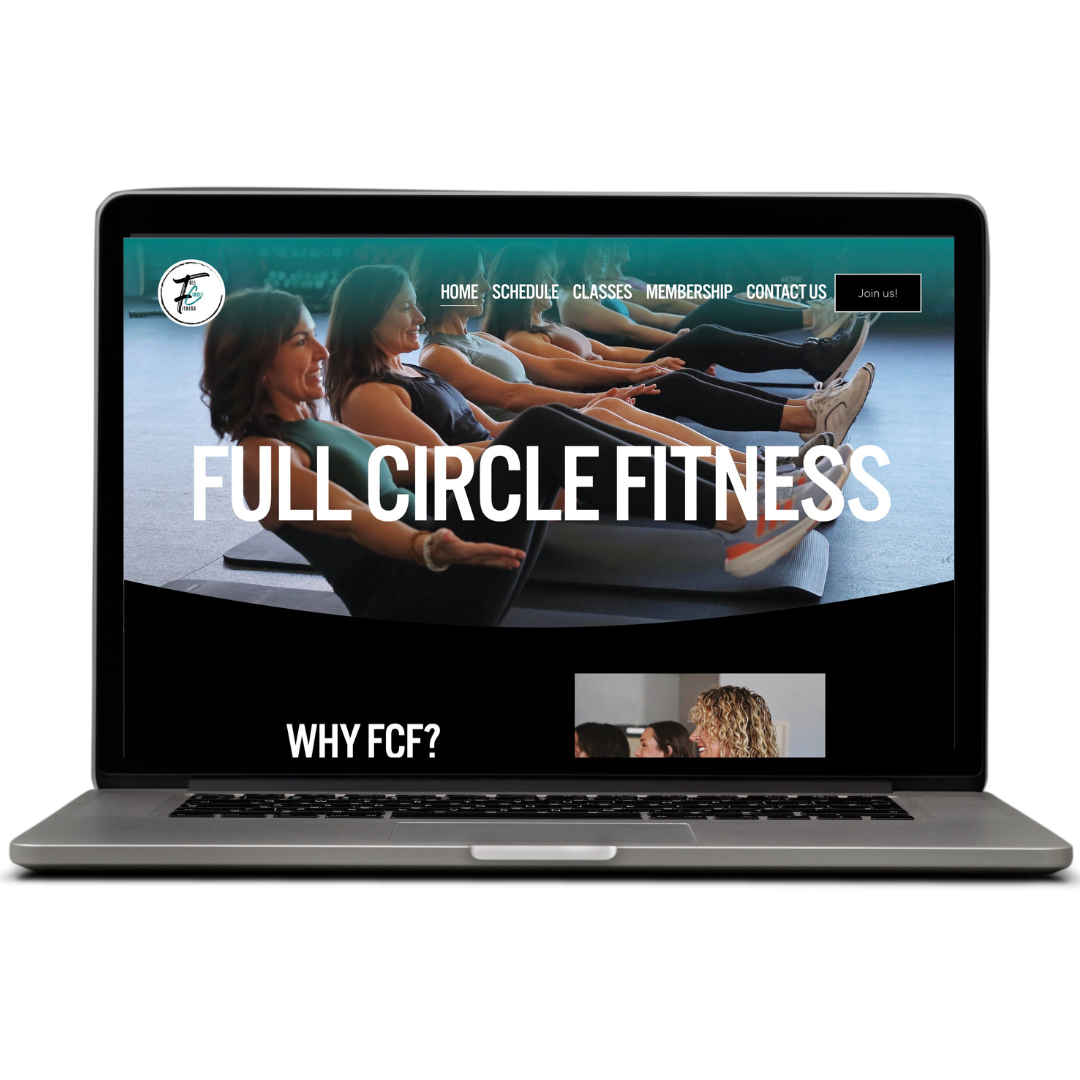
Imagine you’re opening a little shop. But instead of a physical store in your neighborhood, your shop exists online. That, in a nutshell, is what a website is—it’s your space on the internet where people can visit to learn about you, your business, your ideas, or even just to see pictures of your cat (no judgment!).
Why Do Websites Exist?
Websites can serve all sorts of purposes, just like different types of stores. Some of the most common types of websites include:
- Business Websites – Where companies tell you what they do and how you can buy from them.
- Blogs – Online diaries, guides, or information hubs where people write about specific topics.
- E-commerce Stores – Online shops where you can browse and buy products.
- Social Media Platforms – Places where people connect, share, and chat (think Facebook, Instagram, or Twitter).
- Portfolio Websites – Personal online showcases for artists, writers, and professionals.
- Entertainment Websites – Streaming services, gaming platforms, and other fun places.
How Does a Website Work?
Okay, picture this: You type a website’s address (like www.myfavoritesite.com) into your browser, hit enter, and poof! the website magically appears. But behind the scenes, there’s actually a lot going on.
- Domain Name (The Address) – Every website has an address, called a domain name, which is what you type into the search bar (e.g., www.coolwebsite.com).
- Hosting (The Landlord) – Websites need a place to live, and that’s where web hosting comes in. Hosting companies store your website’s files and make them accessible to visitors.
- Code (The Blueprint) – Websites are built using special instructions called code (like HTML, CSS, and JavaScript), which tell your browser how the website should look and function.
- Content (The Stuff People See) – This includes text, images, videos, and anything else that makes up the website’s actual material.
Do You Need a Website?
If you run a business, have a passion to share, or just want a slice of internet real estate, then yes! A website is a fantastic way to reach people beyond your immediate circle.
Some quick reasons to get a website:
- People expect businesses to have them – A website is like your digital business card.
- It’s available 24/7 – Unlike a physical store, your website never closes.
- It builds credibility – A professional website makes you look legit.
- You control it – Unlike social media, where platforms can change the rules, your website is yours to manage.
How Do You Get a Website?
Creating a website isn’t as scary as it sounds. Here’s a simple roadmap:
- Pick a Domain Name – Choose a name that represents you or your business (like www.myawesomebiz.com).
- Get a Hosting Provider – Companies like Bluehost, GoDaddy, and SiteGround provide the online “land” where your website lives.
- Use a Website Builder – If you don’t know how to code, no problem! Platforms like WordPress, Wix, and Squarespace let you create websites with simple drag-and-drop tools.
- Add Content – Write your information, upload pictures, and make it interesting for visitors.
- Launch and Share – Once you’re happy with your site, publish it and share the link with the world!
Common Website Myths (And the Truth!)
- Myth: Websites are only for big companies.
- Truth: Even a one-person business or hobbyist can have a website!
- Myth: You need to be a tech genius to make one.
- Truth: Website builders make it easy for anyone, even with zero coding skills.
- Myth: Websites cost a fortune.
- Truth: You can start a basic website for as little as $10–$20 per month.
Final Thoughts: Should You Have a Website?
If you have something to share with the world—whether it’s a business, a blog, or just a creative passion—a website is a fantastic tool to help you do it. It’s not as intimidating as it seems, and once you get started, you’ll see just how fun and rewarding it can be!
So next time someone mentions websites, you won’t feel lost—you’ll totally get it! And if you ever forget, just come back to this guide for a refresher. Happy website building!
